
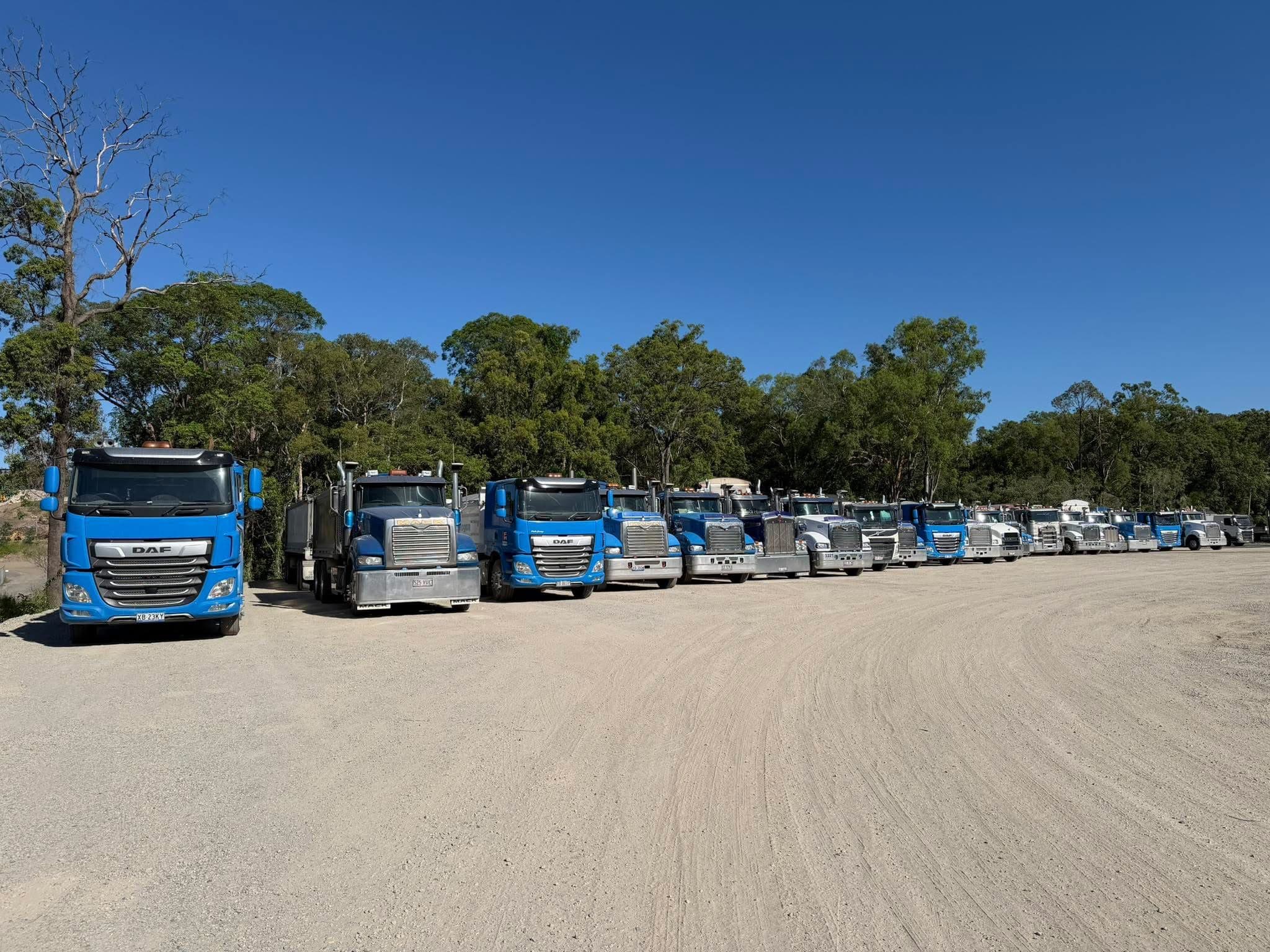
Almost everyone in transport finance underestimates how different the first three truck files are from each other — and how much easier life gets once the third one's on the road and earning.
This article walks through the shape of those three deals, what changes between them in the credit team's read, and where the genuine inflection points sit. If you're an owner-driver staring down your first prime mover, or a small operator looking at the second or third, this is the picture.
Truck #1 — the hardest file you'll ever write
Almost without exception, the first truck is the toughest finance conversation an operator has. The reasons stack on top of each other:
- Thin trading history — even if you've been driving for someone else for years, your ABN as an operator might be six months old. Credit teams read the numbers in front of them, not the years of experience that don't show up on a BAS.
- Heavy personal guarantee load — the file's resting almost entirely on you. Personal credit, personal assets, partner's income — the deal is anchored on the human, not the business yet.
- Asset-side scrutiny — first-time operators often shop on price, which means private sale, older units, or non-mainstream brands. Each of those tightens which lender category will engage.
- Settlement urgency — first trucks are usually being bought to start a specific job or contract. The timeline doesn't accommodate weeks of waiting.
The result: truck #1 lives in the non-bank specialist or sub-prime category for most operators. Rate is higher, structure is tighter, deposits often expected. The deal gets done — but it's never the cleanest file.
The job at this stage is reading the file properly and pointing it at a lender that will actually settle. Banks are rarely the answer here; chasing one usually means losing the contract that motivated the truck in the first place. See bank vs non-bank — what the 200bps actually buys for the timing maths on this trade-off.
Truck #2 — the serviceability pinch
Truck two looks easier on paper. The first one has been earning. You've got real BAS data. The contract pipeline is firming up. Surely this is straightforward? Not quite. The second truck introduces a problem the first one didn't have: serviceability under existing commitments.
Credit teams now look at:
- The repayment on truck #1, sitting as a fixed monthly cost.
- The fuel, maintenance, registration, insurance — all of which are now real numbers on your books.
- Your conduct on truck #1's finance contract over the past 6–12 months.
- Whether the business has shown it can absorb both trucks at the planned utilisation, not just truck #1's known earnings.
The pinch shows up here: the business is now carrying real fixed costs, and credit wants to see that truck #1 actually earned and got paid before it backs a second one. If truck #1's been conducted cleanly and there's a clear line of work for truck #2, this gets done. If conduct has slipped or the trading numbers are thinner than the application suggests, this file gets conditional fast.
A useful framing: truck #2 is where the lender stops financing the operator and starts financing the business. The four numbers credit asks for take on more weight at this stage — see the four numbers every equipment lender will ask for.
Truck #3 — where fleet appetite often unlocks
Truck three is the one that surprises a lot of operators. After the relative grind of trucks one and two, the third one often comes together more easily — provided the first two have done their job. Here's why:
- Two trucks on the books with clean conduct is a meaningful proof point. The business has demonstrated it can manage scaled fixed costs and continue to service finance.
- Trading history has thickened — usually by truck three the ABN is 18–24 months in, with two reasonable years of BAS to point at.
- Lender categories open up — some tier 1 banks and stronger bank-style commercial arms become genuinely interested at three units. The lender shortlist widens.
- Fleet-style structures become available — multi-asset facilities, master agreements, end-of-term flexibility on stock. These don't exist at one unit.
The operator pitch shifts at this point too. You're no longer a new entrant explaining yourself. You're a proven small fleet with a track record. That changes how the lender reads the file from the first phone call. This is the inflection point. Truck #3 isn't easier because the maths is different — it's easier because the business has earned the right to be assessed differently.
After truck #3 — utilisation, not "how many"
Once three units are on the road and the operator has built the conduct, the conversation isn't really "can I get truck four" — it's the same conversation operators in any growing business have:
- Is the utilisation rate on the existing trucks holding up?
- Are contracts and customer concentration in good shape?
- What's gross margin per truck, and is it stable?
- Has overhead growth been controlled as the business has scaled?
The truck count stops mattering. What matters is whether each truck earns enough to justify itself and whether the operator has shown they can keep adding capacity without letting servicing slip. That's also when bank-side options that weren't available at trucks 1 or 2 typically open up — fleet financing structures, master agreements, multi-asset facilities, and meaningfully sharper rates than the early-stage non-bank file ran at. See earthmoving fleet refi for the parallel walk on civil contractor fleets — same dynamics, different asset class.
How you sequence the file
A few practical takeaways for operators looking at the path from one truck to three:
- Don't expect truck #1 to be cheap. Budget around a higher rate, accept that the file lives with non-bank specialists, and prioritise getting on the road over chasing the bank rate that probably isn't on the table.
- Treat truck #1's conduct as truck #2's deposit. Every clean monthly payment on truck #1 is what unlocks truck #2's approval. Defaults, late payments, or payment arrangements on truck #1 close more doors than they realise at the time.
- Build trading history deliberately. Lodge BAS on time. Keep accountant-prepared trading numbers current. The file you'll send for truck #2 starts being built from week one of truck #1.
- Plan truck #2 around real work, not aspiration. Credit reads the business case. A second truck against a confirmed contract reads completely differently from a second truck against "more work might come up."
- Approach truck #3 as a different file. By truck three the conversation is about the business, not the operator. Make sure the accountant has the numbers ready, the conduct history is clean, and the contract pipeline is documented.
If you're sitting on the truck #1 file with no clear answer on which lender will take it, or you're looking at truck #2 and worried about serviceability, the desk's job is reading the file properly and matching it to the lender category that'll actually settle. Start with the trucks finance page or send the file and we'll give you a straight read — same day during business hours. The refi mechanics, once a truck's a couple of years in, are covered in the prime mover refinance piece.