The first excavator gets financed on the strength of the operator. The fifth gets financed on the strength of the business. Somewhere between those two points the whole picture changes — how lenders look at the file, what they want to see, and which category of lender will even pick up the phone. Plenty of civil contractors get caught flat-footed by that shift because nobody told them it was coming.
This is the structural change that happens when you go from owner-operator to a small fleet. The deals don't get harder, exactly. They get different. And the file that worked for machine one will not work for machine five without a rethink.
From operator strength to business strength
When you finance a single machine as an owner-operator, the lender is really backing you. Your repayment history, your home equity, your personal credit, the contract you're chasing. The asset matters, but the assessment leans heavily on the person driving it. That's why so much of a first-machine file is about the four numbers every lender asks and your personal position behind them.
By the time you're running three, four, five machines, that lens flips. The lender stops underwriting you and starts underwriting the business. They want to see that the operation generates enough margin to carry the whole book of repayments — not just the new one. They want to see the existing commitments, the contracts feeding them, and whether the cash flow holds up if one machine sits idle for a month.
That's a higher bar in some ways and a lower one in others. Higher because the financials get scrutinised line by line — BAS, tax returns, an aged debtors list, sometimes management accounts. Lower because once the business stands on its own, the lender stops worrying about whether you personally can carry it. A strong, profitable operation can carry more debt than a strong individual ever could.
The balance sheet starts doing the talking
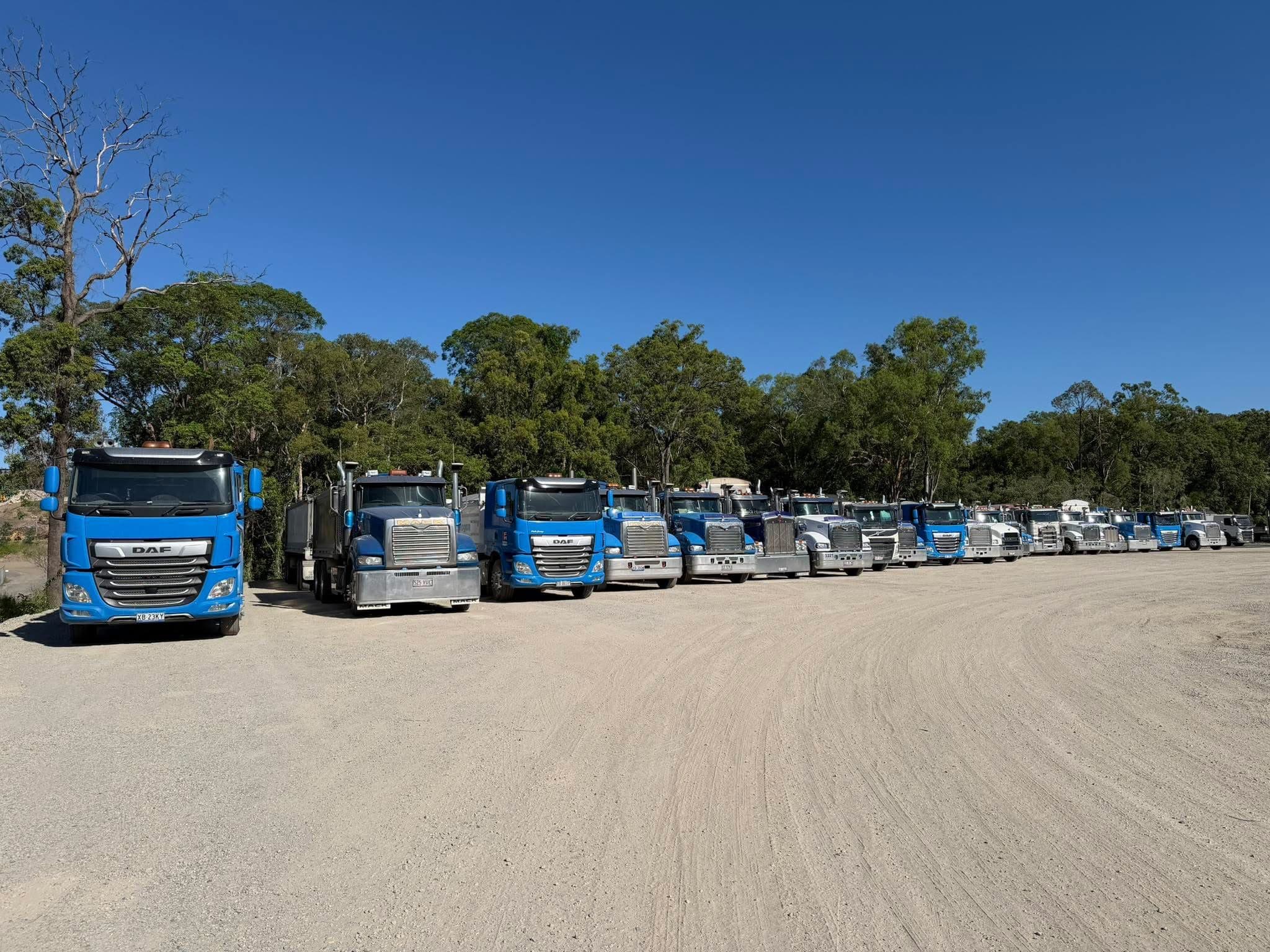
One machine doesn't make a balance sheet. Five machines, a couple of trailers, a ute or two and a yard full of attachments — that does. And at fleet scale, the balance sheet becomes the thing credit teams read first.
What they're looking for is straightforward. Are the assets worth more than the debt against them? Is there real equity in the fleet, or is everything financed to the hilt with nothing underneath? How old is the gear, and what's it worth if it had to be moved? A fleet with genuine equity and a sensible age profile is a very different proposition to one where every machine is 95 per cent financed and three years from needing replacement.
This is where refinancing the existing fleet often makes sense alongside adding the next machine. If you've got four machines spread across four lenders on four different terms — some good, some signed when you had no track record — consolidating them can free up cash flow, tidy the balance sheet, and put the whole fleet in front of one credit team that can see the full picture. The same logic that drives a single prime mover refinance applies across a fleet, just with more moving parts.
Which lender category engages — and when
Lender appetite changes with scale, and knowing who plays where saves a lot of wasted applications.
At owner-operator level, the broker-market non-bank category does most of the heavy lifting. They're comfortable with newer ABNs, single-asset files, private sales, the lot. They're not the cheapest, but they say yes to deals the majors won't look at.
As the business matures and the financials firm up, the tier 1 commercial asset finance arms become genuinely available. These are the bank-owned operations that want clean financials, a few years of trading and a balance sheet that stacks. They're sharper on rate, slower on process, and they want a proper business to lend to. For a fleet operator with two or three solid years behind them, that category opens up — and the rate difference across a whole book of machines is real money.
Then there's the cash-flow overlay category from specialist non-banks. These lenders combine asset lending with a read on the operation's cash flow, which suits a fleet that's growing fast and needs working capital alongside the next machine. And for one-off top-ups — a single extra machine to chase a specific contract — the non-bank category is often still the quickest path even once the bigger lenders are in play. The point isn't that one category wins. It's that a five-machine business has options a one-machine operator never had, and the job is matching the file to the right one.
The file gets heavier — plan for it
The single biggest practical shift is paperwork. A first-machine file might be a driver's licence, a couple of bank statements and a contract. A fleet file is a different animal: full financials, an asset and liability schedule, the existing finance commitments, BAS for recent quarters, and often a forward view of the contracts that justify the expansion.
That sounds like a hassle, and it is more work. But it's also leverage. A well-prepared fleet file — one that shows a profitable operation, real equity, and contracts lined up — gets treated very differently to a thin one. The lender isn't guessing. They can see the business works. That's what gets you the sharper rate and the bigger limit. The same brand-and-credit assessment that applies to a single excavator finance file still runs on each machine, but now it sits inside a business-level read.
The mistake we see most often is operators who scale the fleet but never scale the file. They keep applying like an owner-operator — thin, asset-only, light on financials — and wonder why the rates aren't improving even though the business is now substantial. The gear grew up. The paperwork has to grow up with it.
The shift, in one line
Owner-operator to fleet is a move from "can this person carry this machine" to "can this business carry this book of debt". Get the financials in order, understand where the equity sits across the fleet, and match the file to the lender category that fits your stage — and the next machine gets cheaper, not harder, to fund.
If you're scaling and not sure whether your file has grown up with your fleet, send the gear list and a rough picture of the existing finance and we'll tell you straight where you sit and which category fits — the same read we run for civil and mining-services fleets around Mackay and the Bowen Basin and up through North Queensland. Start with a quote and we'll take it from there.