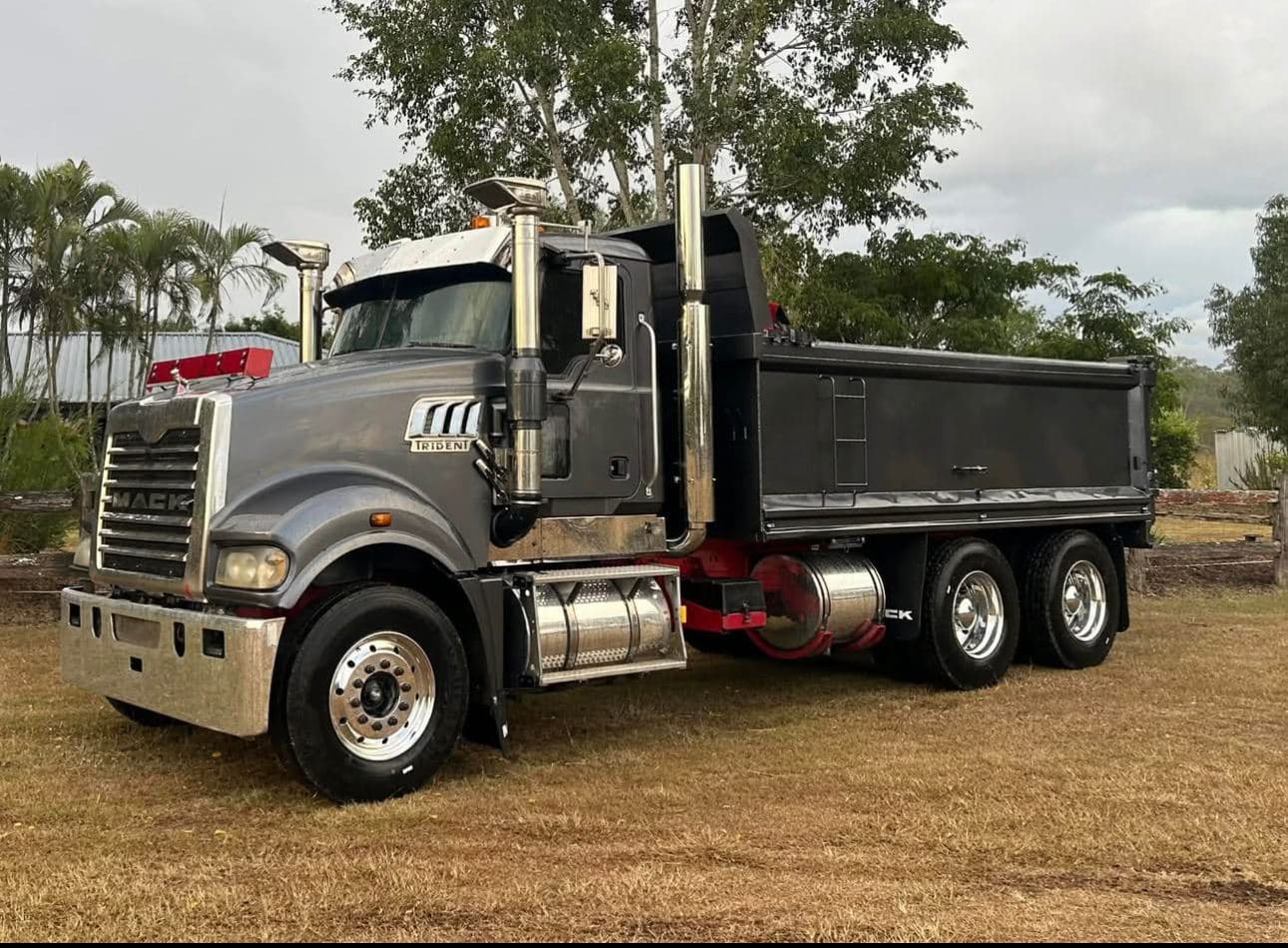
For a lot of equipment deals, the real choice isn't "bank or non-bank." It's whether it's worth burning three or four weeks chasing a marginal bank approval that might never come — or going straight to a lender that actually wants the deal so the gear can start earning.
If a file is genuinely a non-bank file, you're not really choosing between 8% and 10% in the real world. You're choosing between 10% now, or three to four weeks of downtime and paperwork for a maybe from a bank that usually lands as a no, followed by 10% anyway.
That's the call this article is about.
The numbers in plain English
Take a normal example: a $200,000 piece of gear over five years.
- At 8%, the repayment is roughly $4,055 a month.
- At 10%, it's roughly $4,249 a month.
- The difference is around $194 a month, or about $2,300 a year.
Over the full five-year term:
- Total interest at 8% is about $43,000.
- Total interest at 10% is about $55,000.
- The higher rate costs you roughly $11,600 in extra interest across the whole term.
Now compare that to the cost of the gear sitting in the yard while a bank decides. If the truck or machine is clearing about $3,000 a week in profit (call it $500 a day), then:
- 3 weeks parked up while you wait on a bank ≈ $9,000 in lost profit.
- 4 weeks parked up ≈ $12,000 in lost profit.
Three or four weeks of waiting on a marginal bank file can easily cost as much, or more, than the entire extra interest across the full five-year term at the higher non-bank rate. That's the part most operators underweight when they look at a rate sheet.
Why speed actually matters
Most operators massively overestimate the impact of "8% vs 10%," and massively underestimate the cost of gear not being on site. The real money is made or lost in utilisation, not in shaving 2% off the headline rate.
Being on site, on time does two things at once:
- It gets you invoicing earlier — which often covers the extra interest in the first month or two anyway.
- It positions you as the operator who turns up with the right gear when you said you would. That's what wins the next job and justifies the next truck.
The rate matters. The settlement timeline matters more.
Where the broker actually earns it
Because the desk lives in this space every day, the call on whether a file genuinely fits a major bank's credit box — or whether it's heading to a specialist non-bank either way — usually gets made up front, in minutes, not over weeks.
The job isn't sending applications to banks for optics. It's:
- Putting the deal with a lender that will realistically say yes.
- Getting that answer in hours or days, not weeks.
- Matching the structure to the way the gear actually earns its keep.
When there's time and the file is strong, the sharper bank option runs first. When it's a marginal bank file with urgent gear, the commercial answer is usually to skip that race and go straight to the lender that wants the deal. A big part of that read is how complete the file is — see what "subject to credit" actually means — and how fast it can move (why some deals settle in 24 hours and others take three weeks).
Pre-approvals — the lever that gives you a real choice
The way to give an operator a genuine choice between bank and non-bank pricing is time. With a proper pre-approval in place before the asset's locked in:
- Bank appetite gets tested early, before a specific truck or machine is on the cards.
- When the right asset shows up, the lender shortlist is already sorted. Either a bank's in the mix and you can let it run, or it's a non-bank file and you pivot fast so the timeline holds.
That's how you avoid the worst version of this trade-off: locking onto an asset on a tight deadline and then discovering the bank file you've been holding out for isn't actually a yes.
Sending the file properly
To get a same-day call on whether you're in bank territory or going straight to non-bank, the desk needs four things up front — the same four numbers every lender asks for:
- Asset details — make, model, year, price, source (dealer or private).
- Trading history — a year of BAS or tax return, even informal first.
- Deposit or trade-in shape.
- Real timeline — when does the gear need to be earning.
With those, the bank-vs-non-bank call is made on the first phone call. You don't lose three weeks finding out you were always going to end up at a non-bank. The full process is on the how it works page.
Hold a quote you're trying to decide on, or want a read before you send anything to a bank? Send the file through or call and you'll get an honest read same day during business hours — including a direct answer on whether the timeline supports running a bank file at all.