The deals banks knock back.
Banks don't love new ABNs, private sales, mixed-use rigs or a file with one bad year on it. We've got lenders who do — and we know how to put the file in front of the right one.
If you've heard "computer says no", read on.
- Knocked back by a bank or another broker
- New ABN or thin trading history
- Private sale — no dealer in the middle
- Arrears, a paid default or a tax debt
- One bad year on the financials
- Tight settlement timeline
- Unusual or mixed-use asset
- Older or high-hours machine
- Cash-out or end-of-term restructure
The business is new, the operator isn't.
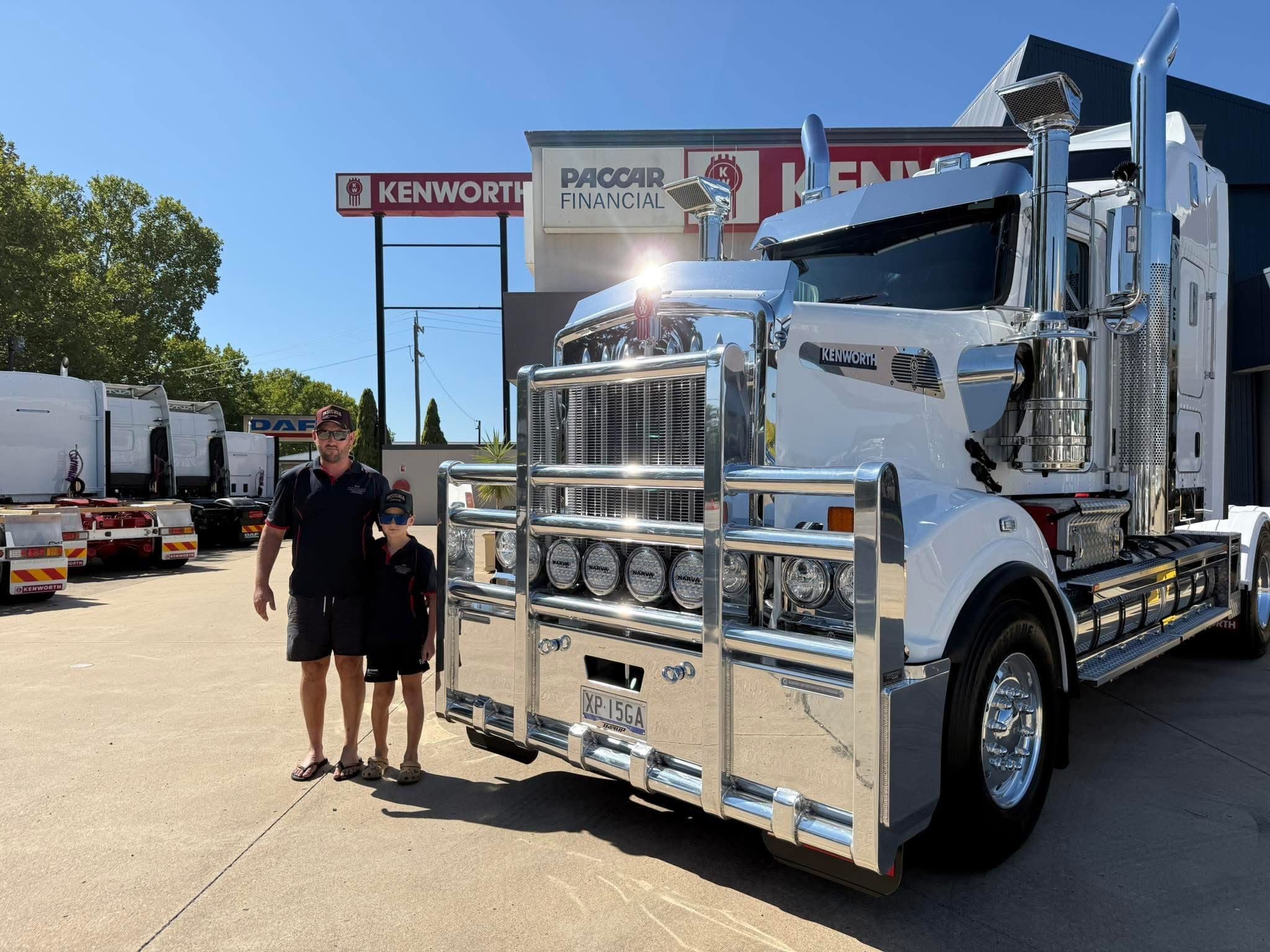
A son taking over the family transport run, a foreman going out on his own, a trade hand starting their own shop — the ABN might be six months old, but the experience behind it isn't. Banks read the ABN age and stop. We frame the operator's history so the lender sees the whole picture.
Stepping up from sub-contractor to owner.
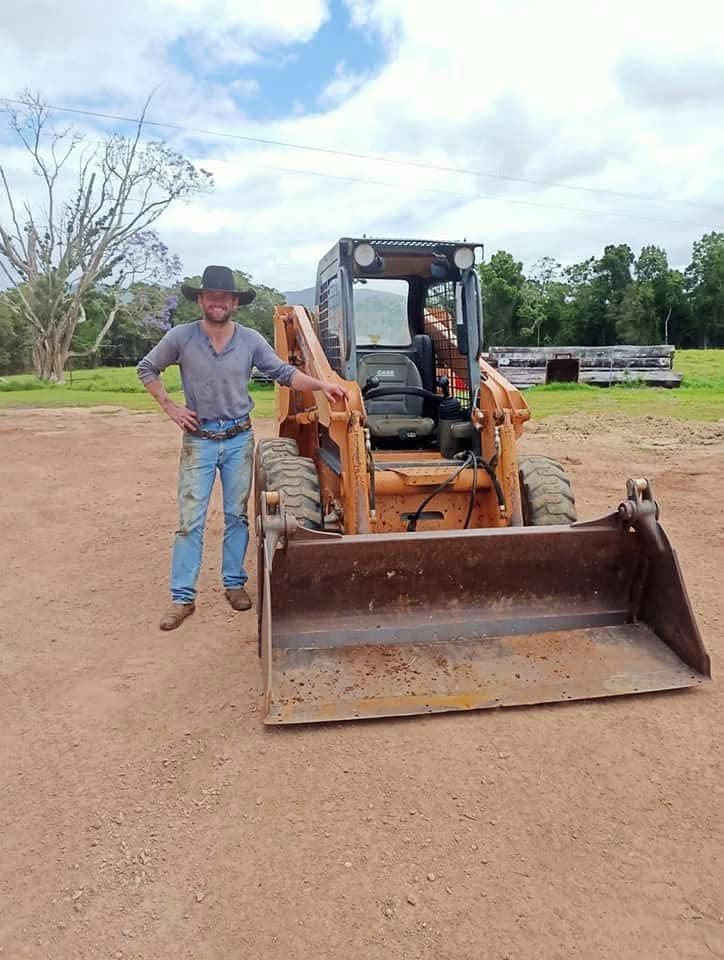
Your first owned machine is exactly the file a bank gets nervous about — thin trading history, no asset on the balance sheet yet. It's also the file we write most weeks. We know which lender category backs the step up and what they need to see.
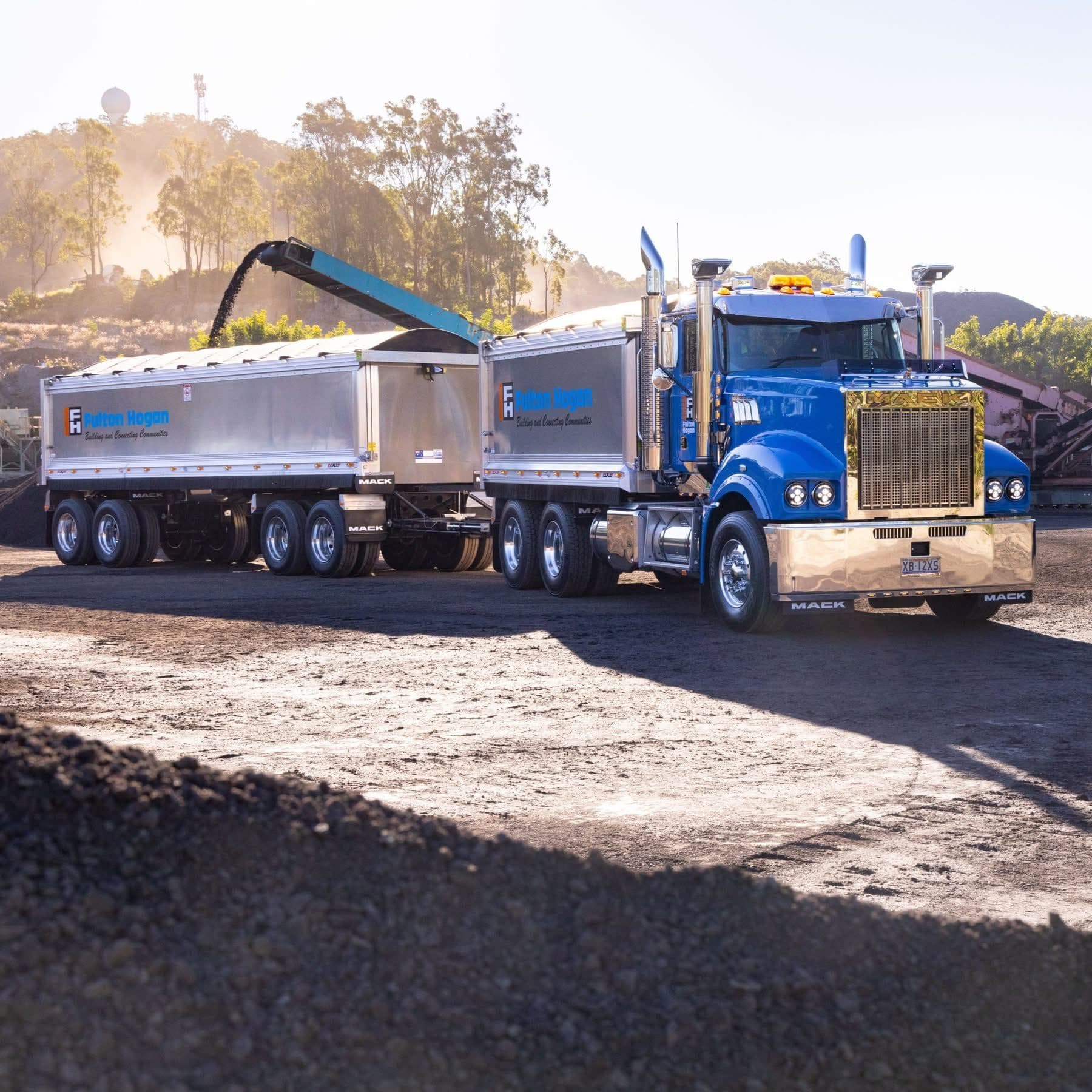
The work has started. The gear's needed now.
A contract's been won and the machine has to be on site in a week. The right lender category and a file that's ready the first time is the difference between settling in days and missing the job. We run the file knowing the clock is going.
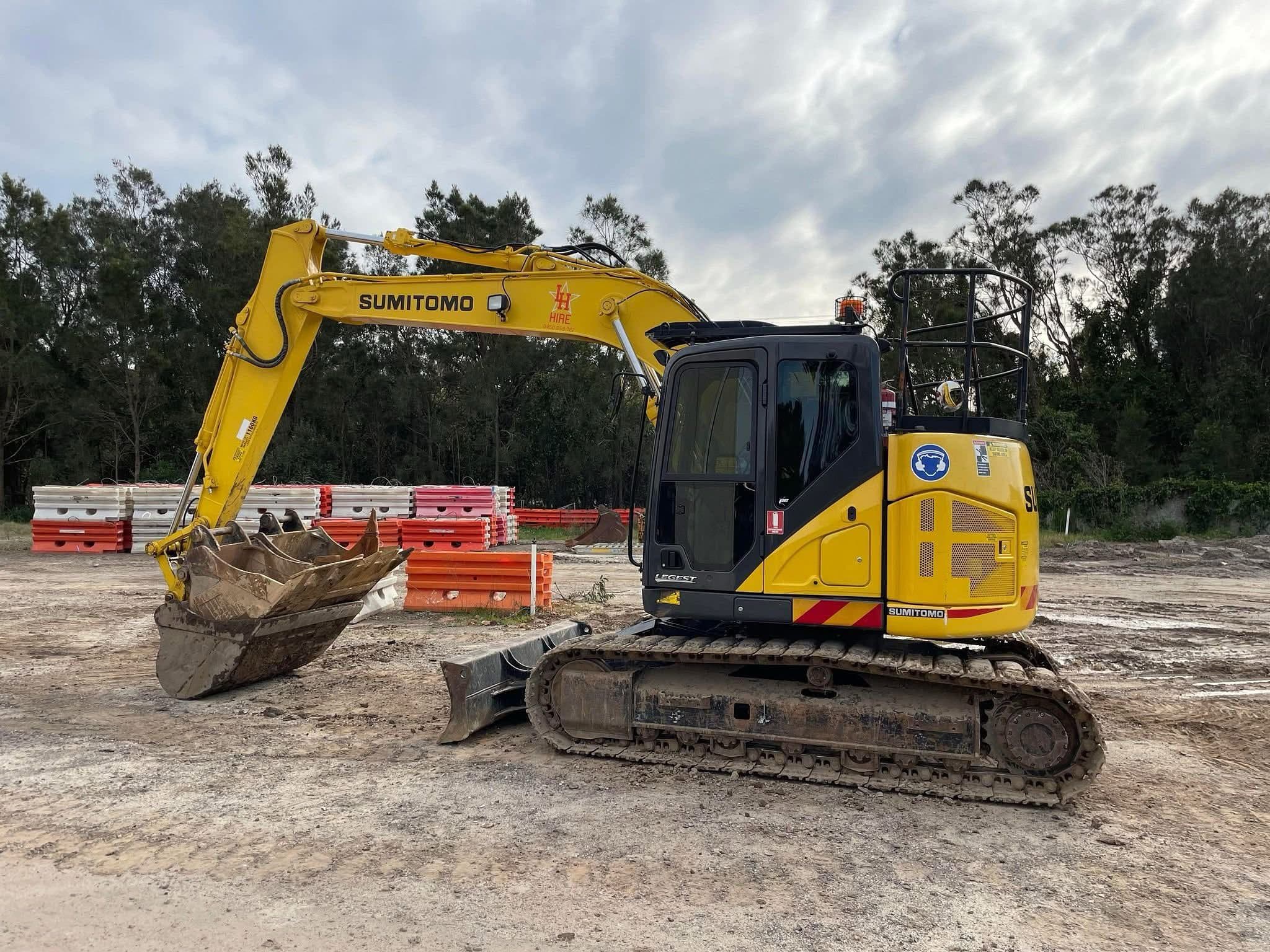
No dealer in the middle, no problem.
Bought direct from another operator, or a rig that does two jobs at once. Private sale changes the paperwork — payout, PPSR, inspection — not the outcome. We handle the coordination so a private deal settles as cleanly as a dealer one.
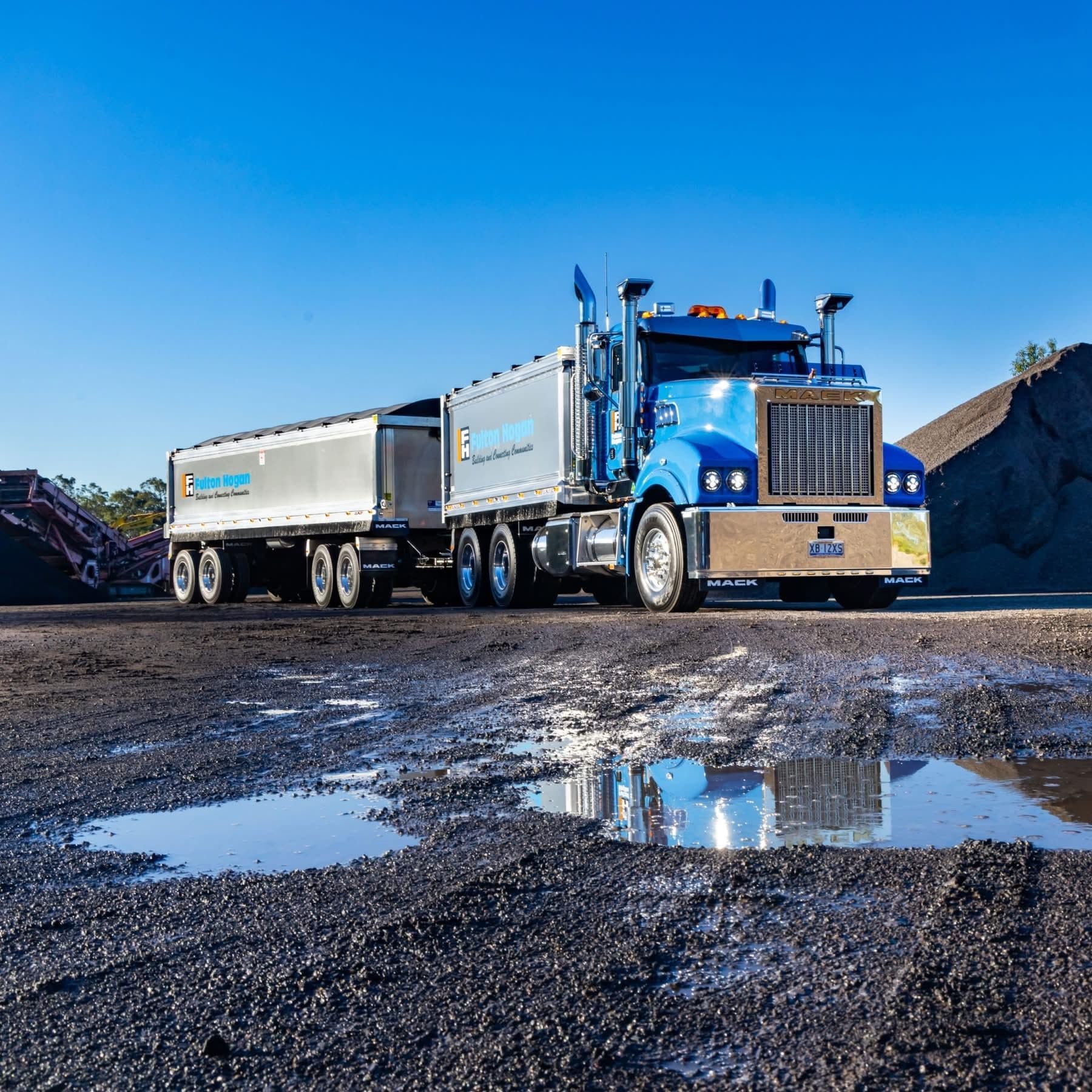
One bad year doesn't end the conversation.
Arrears, a paid default, a tax debt, a year where the numbers went backwards. Credit teams read context, not just the headline. We package the explanation with the numbers so the file gets a fair read — and we'll tell you straight what it's likely to cost.
We won't promise every file gets through.
What we promise is this: we read the file properly, tell you what's possible, and run the lender shortlist that actually fits. Sometimes that means a yes others couldn't get. Sometimes it means "this will cost more than you'd like, and here's why". Either way, you get a straight answer fast — not a runaround.
Reading on the hard files
Equipment finance after a bad year — what credit teams forgive, and what they don't
Drought, a lost contract, a cash-flow hit. One bad year on the financials isn't the end of a finance file — here's what credit teams read into it, and what to put in front of them.
Hard dealsRefinancing equipment with arrears — what's still possible
Behind on an existing contract? It's not automatically a no. What credit teams will still look at, what the rate cost is, and what to do first.
ApprovalsWhat "subject to credit" actually means — and how to make it less of a coin-flip
The most slippery phrase in finance, decoded. What it legally covers, what the real probability behind it is, and how to tighten your file so it becomes a real answer.
Send us the file others wouldn't take.
Tell us what you're buying and where it got stuck. We'll give you a straight read, fast.