
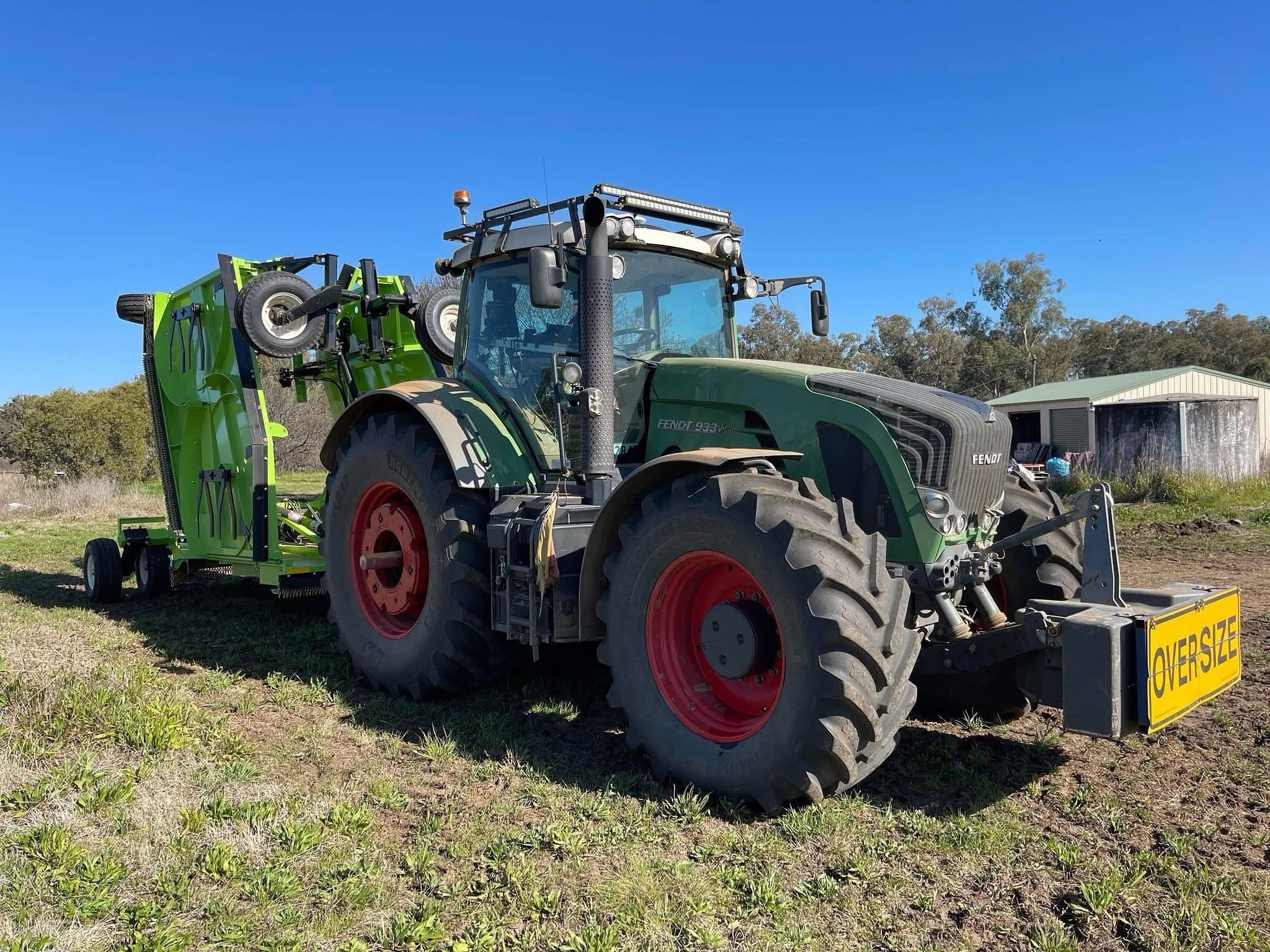
Most family farms finance their first big tractor through the dealer — a captive, manufacturer-aligned facility offered across the counter at the point of sale. It's convenient, it's quick, and for a first purchase it does the job. The trouble tends to arrive later, when the term is winding down or the business wants to refinance for cash flow reasons, and the family discovers that a farm refi is not quite the tidy exercise they expected. There are three quirks in particular that catch first-timers, and all three are manageable — provided you see them coming.
This is about tractor and ag equipment refinance for family businesses, and the medium-difficulty reality that a first farm-business refi often has data gaps the original purchase never had to worry about. None of these quirks is a dealbreaker. Each is a paperwork-and-timing problem, which is the most fixable kind.
Quirk one — the partnership-to-company restructure
Family farms grow up. What started as Mum and Dad running the place as a partnership becomes, somewhere along the line, a company — often on the accountant's advice, for tax, succession or asset-protection reasons. That restructure is good business. It also quietly complicates a refinance, because the entity that originally bought the tractor may not be the entity that now wants to refinance it.
When the borrowing entity changes, a lender effectively treats the new entity as a fresh applicant, even though the family and the farm are unchanged. The trading history that sat under the old partnership doesn't automatically transfer in the lender's eyes to the new company. The fix is to bring the continuity story to the file deliberately: show that the company is the same operation under a new structure, with the same people, the same land and the same enterprise, and have the accountant's restructure documentation ready to evidence it. Presented well, the history follows the family. Presented as a brand-new company with no past, it looks thinner than it is.
Quirk two — the ABN-age gap
Closely related, and just as easy to trip over: the new entity often has a young ABN. The farm might have forty years of history, but if the company was registered three years ago the ABN clock started then — and a number of lenders have minimum ABN-age thresholds baked into their credit policy. A first-time refinancer can be genuinely surprised to be told their decades-old farm business is "too new."
The way through is twofold. First, evidence the real operating history rather than leaning on the ABN date — prior partnership returns, continuity of the same farming enterprise, and the restructure paperwork all help a lender see past the registration date to the actual business underneath. Second, match the file to a lender whose policy fits the situation. Ag-specialist tier 1 banks and regional non-banks that understand farm restructures are far more comfortable looking through an ABN-age gap than a generalist lender working off a rigid policy screen. This is exactly the kind of thing the desk weighs when deciding where a file goes first.
Quirk three — captive finance end-of-term
The third quirk lives in the original captive facility itself. Manufacturer-aligned finance often carries an end-of-term structure — a balloon or residual payment due at the close of the term — and first-timers don't always have that number front of mind until it's looming. The end of the term becomes a decision point: pay the residual out of cash, refinance the residual, or roll into the next piece of gear.
Refinancing the residual is a perfectly ordinary move, but it works best when it's planned rather than scrambled. Leaving it to the last few weeks before the balloon falls due puts the family on the back foot — there's less time to shape the file, less time to match it to the right lender, and more pressure to take whatever's quickest. Knowing the end-of-term number and the date well ahead means the refinance can be structured calmly, and potentially structured around the season too, so the new repayments land when the farm actually earns. The seasonal repayment options worth knowing apply just as much to a refinance as to a fresh purchase.
Getting ahead of all three
The common thread across these three quirks is that they're all about presentation and timing, not creditworthiness. A sound family farm with a good asset and a real income is a deal any number of lenders want — the difficulty, when it appears, is almost always in how the file is put together rather than in the underlying business. That's the same lesson that runs through harder refinance work generally, and it's covered from the truck side in the prime-mover refinance approval killers piece, where the parallels are striking: the deal is fine, the file just needs shaping.
The move is to start the conversation early — ideally well before the captive term ends or the cash-flow pressure bites — and to bring the whole picture: the entity history, the restructure paperwork, the end-of-term numbers, and a clear read on the season. With that in hand the desk can match the file to a lender whose policy actually fits a family farm with a young company ABN, rather than one that'll knock it on a technicality.
If you've got a tractor on captive finance heading toward end-of-term, or a restructure that's made your next refinance more complicated than the first one was, the time to map it out is now, not in the last fortnight. Tell the desk where things stand and start a quote — we'll work out which lender sees the farm you've actually got — whether that's a family operation out in the Central West or a mixed farm-and-cattle run through Central Queensland.